Ever had two strains with the same THC percentage hit you in totally different ways? One leaves you giggling on the couch, the other has you reorganizing your kitchen like a caffeinated squirrel. Same THC level, completely different vibe. What gives?
That mystery is what the cannabis world calls the entourage effect, the idea that your high isn’t just about THC at all. It’s about how everything in the plant works together: cannabinoids, terpenes, flavonoids, and all those tiny chemical sidekicks that make each strain feel unique.
This isn’t just stoner folklore either. Scientists have been digging into the entourage effect for decades, and cannabis users have been feeling it even longer. You’ll hear people describe it in DMs, on Threads, or standing at the dispensary counter: “This one just hits better.” “That cart’s got the right mix.” “Why does sun-grown feel so much cleaner?” Turns out, we’ve all been describing the same phenomenon, just in different words.
So before you chase that next sky-high THC number, let’s unpack what’s really shaping your experience.
Spoiler: it’s less about potency and more about chemistry, synergy, and the magic of the whole plant.
When you start seeing cannabis as a team sport instead of a solo act, everything about your high begins to make sense. Let’s break it down and meet the real MVPs behind the entourage effect.
What Is the Entourage Effect, Really?
Think of the entourage effect as cannabis chemistry’s secret handshake. It’s the theory that cannabinoids, terpenes, and other natural compounds in the plant don’t just coexist, they collaborate. Like a good band, they sound fine solo, but when they play together, that’s when the magic happens.
Scientifically speaking, the term “entourage effect” was introduced in the late 1990s by researchers exploring how different cannabinoids interacted within the body’s endocannabinoid system (aka the system that helps keep your mood, pain, appetite, and sleep in balance). They noticed something fascinating: when cannabinoids were combined – especially alongside aromatic compounds called terpenes – they seemed to amplify or modulate each other’s effects.
In other words, THC on its own can get you high, sure, but it’s the rest of the plant that decides what kind of high you’re getting. Will it mellow you out, energize your brain, or melt you into your couch? That depends on the company THC keeps.
To put it simply: judging a strain by THC alone is like judging a meal by one ingredient. You wouldn’t taste a spoonful of salt and call it dinner, right? The real experience comes from how all the ingredients come together – spices, fats, acids, textures – to create balance and depth. Cannabis works the same way.
The entourage effect is also why “whole plant” or “full-spectrum” products tend to feel more nuanced and satisfying than pure THC distillate. It’s not about more, it’s about together.
Up next, let’s meet the crew that makes the entourage effect possible, the cannabinoids and terpenes that do the heavy lifting behind the scenes.
Cannabinoids + Terpenes: Who’s in the Entourage?
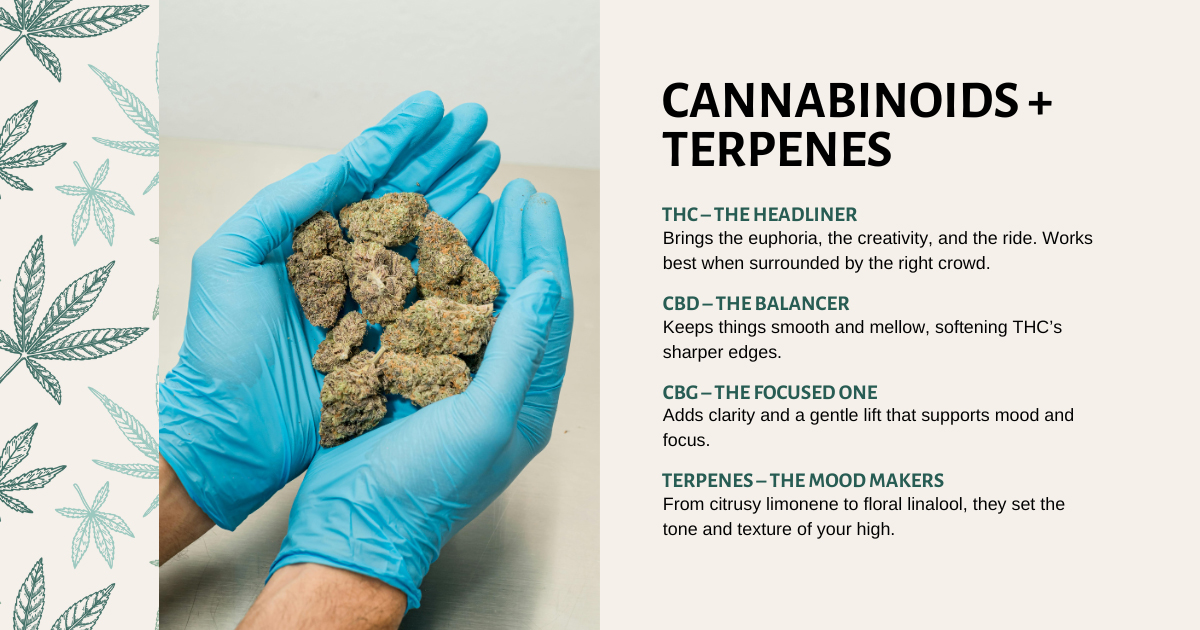
If THC is the headliner, then cannabinoids and terpenes are the rest of the band, the ones who actually make the music worth listening to. Each plays a role in shaping your experience, and together, they set the tone, tempo, and energy of your high.
Let’s start with the big names:
THC (Tetrahydrocannabinol)
The star of the show. THC binds to receptors in your brain and nervous system, triggering that familiar euphoria, creativity, or couch-lock, depending on the mix. It’s powerful on its own, but when paired with other compounds, it becomes more dynamic and expressive.
CBD (Cannabidiol)
CBD is like THC’s chill best friend. It doesn’t get you high, but it helps keep things balanced. It can smooth out the edges of a THC-heavy strain, reducing anxiety or paranoia while adding body relaxation and clarity. Think of it as the rhythm guitar keeping the vibe grounded.
CBG (Cannabigerol)
Sometimes called the “mother cannabinoid,” CBG is a precursor that helps form other cannabinoids like THC and CBD. Early research suggests it can sharpen focus and support mood stability, adding a gentle sense of alert calm.
CBN (Cannabinol)
CBN shows up as THC ages. It’s mildly psychoactive and often associated with that sleepy, “I’m ready for bed” kind of high. You’ll find it in older flower or specific sleep-focused blends.
CBC (Cannabichromene)
One of the quieter players in the cannabinoid family, CBC may support mood and relieve discomfort without altering your mind. It’s like the bassist: steady, subtle, but essential for harmony.
Now, let’s talk terpenes, the aromatic compounds that give each strain its scent, flavor, and mood. Terpenes are found in all kinds of plants (lemons, lavender, pine trees) and have their own effects when combined with cannabinoids.
A few of the most common:
- Limonene: Found in citrus, it brings a bright, uplifting, and energizing quality.
- Myrcene: Earthy and musky, known for its relaxing, sedative properties.
- Pinene: Smells like pine needles and can help with focus and alertness.
- Linalool: Floral and soothing, often linked to stress relief and calm.
- Caryophyllene: Peppery and grounding, it’s unique because it actually binds to cannabinoid receptors.
Together, these cannabinoids and terpenes interact with your endocannabinoid system (ECS), the internal network that keeps your body in balance. When the mix is right, your ECS gets a full-spectrum tune-up, adjusting how your mind and body respond to the high.
That’s why a 25% THC strain with a limonene punch might have you cleaning your house, while another 25% strain heavy on myrcene has you glued to the couch with a bag of chips. Same THC level, completely different chemistry.
Up next, we’ll break down how this chemical teamwork actually changes your experience, and why learning your favorite terpene combos can completely change how you shop and smoke.
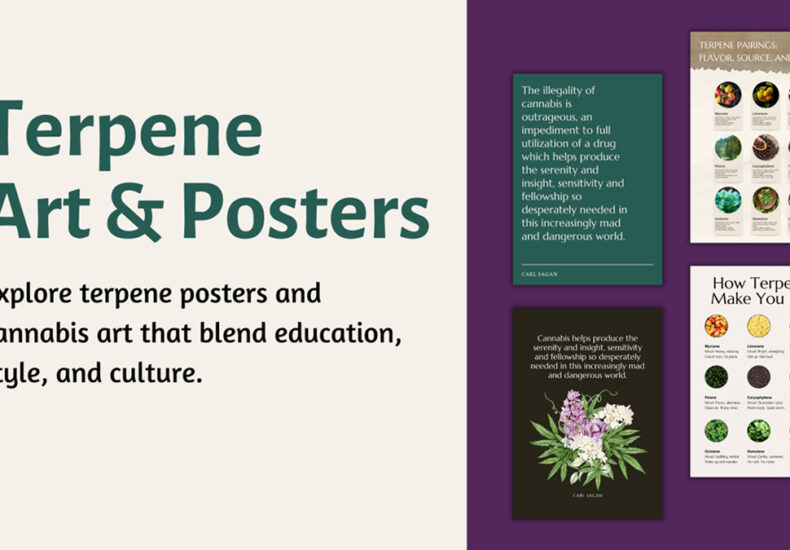
Curious how different terpenes shape your mood?
Here’s a quick look at some of the most common ones and the vibes they bring.
We actually made this into a full-size art print for your wall, because weed science deserves to look good.
Buy the Poster Here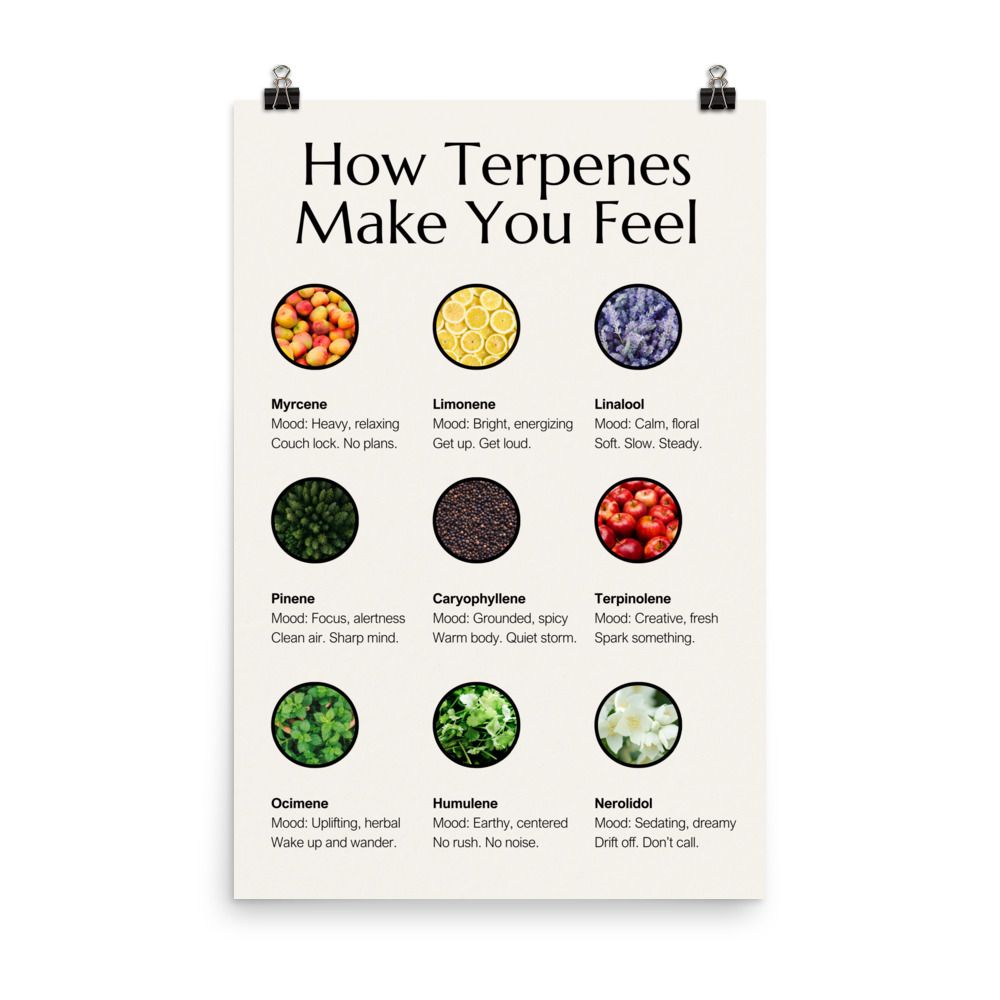
How the Entourage Effect Changes Your Experience
Here’s where the theory gets personal. The entourage effect isn’t just science talk, it’s the reason your favorite strain feels like your favorite strain. It’s why two buds with the same THC percentage can take you in completely opposite directions.
Think of it like tuning a radio. The cannabinoids set the channel, but the terpenes fine-tune the signal. Together, they determine whether your high feels clear and functional or heavy and dreamy.
Let’s look at a few examples:
- Linalool + THC: This floral terpene (also found in lavender) softens THC’s edges, bringing on a calm, body-heavy high. Perfect for unwinding, reducing tension, or ending a chaotic day.
- Limonene + THC: Limonene is bright and zesty, boosting mood and energy. Combine it with THC and you get that classic giggly, get-stuff-done vibe.
- Pinene + THC: This combo keeps the mind sharp. Pinene is known for enhancing alertness and memory, so when it teams up with THC, you stay focused instead of foggy.
You’ve probably felt these effects without realizing it. That’s why some strains just “hit different.”
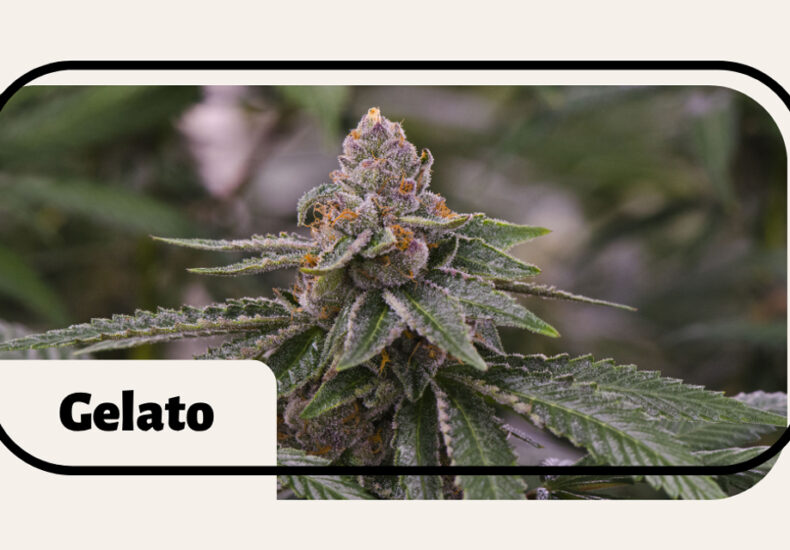
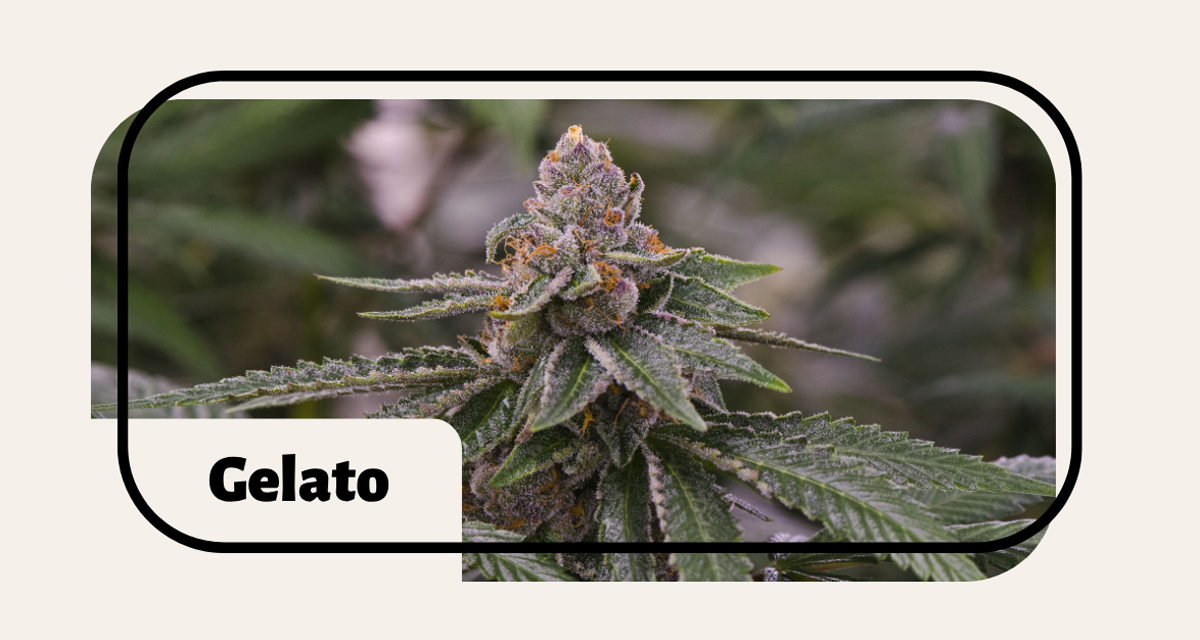
Take Gelato, for example. It’s usually loaded with caryophyllene and limonene, giving it that balanced, blissed-out high – happy, creative, and relaxed all at once.
Then there’s Jack Herer, a classic sativa with tons of pinene and terpinolene. It’s known for clear-headed focus and a mental buzz that keeps you moving.
And of course, Kush Mints. Heavy in myrcene and linalool, it’s the ultimate “chill but not checked out” strain, relaxing for the body, crisp for the mind.
The entourage effect is what makes these strain personalities possible. Instead of a single, predictable high, you get a full-spectrum experience shaped by the unique chemistry of each plant.
It also explains why some people don’t enjoy isolates or distillates. Without the entourage, the experience can feel flat, harsh, or one-dimensional. It’s like listening to only the lead singer with no instruments backing them up. Sure, the talent’s there, but the depth is missing.
This is why paying attention to how a strain feels (not just what the label says) can totally change your cannabis experience. Your favorite highs probably have something in common beneath the surface, a mix of terpenes and minor cannabinoids that hit your body just right.
Next up, let’s talk about full-spectrum cannabis, why it matters, and how it ties the whole entourage story together.
Full Spectrum vs Isolated THC: Why It Matters
Let’s be real, THC has gotten all the glory for years. It’s the number everyone looks for on the label, the bragging point in dispensary talk, the shorthand for “strong weed.” But that number doesn’t tell the full story.
Full-spectrum cannabis includes the entire range of compounds found naturally in the plant: THC, CBD, CBG, terpenes, flavonoids, and even those minor cannabinoids you’ve never heard of. Together, they form the “entourage” that gives each strain its unique flavor, aroma, and experience.
When you strip cannabis down to just isolated THC or distillate, you lose that complexity. It’s like squeezing orange juice from a single molecule instead of the whole fruit. You’ll still taste something citrusy, but the richness and nuance are gone.
That’s why some people don’t vibe with distillate vapes or highly refined concentrates. They might deliver a clean, intense hit, but often without the layered feeling you get from flower or full-spectrum extracts. It’s all peak, no personality.
Full-spectrum products, on the other hand, preserve the plant’s chemistry as naturally as possible. That means you get THC’s euphoria along with CBD’s balance, CBG’s clarity, and the terpenes’ signature effects. The result feels more grounded and complete, less of a roller coaster and more of a smooth ride.
This is also why sun-grown or living soil flower tends to “hit deeper.” Those growing methods allow the plant to develop its full range of cannabinoids and terpenes, shaped by real sunlight, soil microbes, and natural stress. When you smoke or vape that flower, you’re experiencing a chemical profile that’s as close to the plant’s true expression as it gets.
Meanwhile, heavily processed or indoor-grown weed can lose some of that diversity. It might look prettier or test higher for THC, but that doesn’t mean it’s better. The full-spectrum experience is about balance, not numbers.
So the next time someone brags about their 33% THC strain, just smile. You know something they don’t: that true quality comes from the ensemble, not the solo.
Up next, we’ll dig into how you can actually feel the entourage effect and recognize it in your own experiences.
So… Can You Feel the Entourage Effect?
Short answer: yes, absolutely. Most people who consume cannabis regularly have already felt the entourage effect, they just didn’t know what to call it.
Ever noticed how one strain melts your body but keeps your mind sharp, while another hits you with full-body relaxation and a touch of the munchies? Or how some highs feel smooth and balanced, while others spike your heart rate or give you racing thoughts? That variation isn’t random. It’s the entourage effect doing its thing.
People often describe it like this:
- More mind-body connection. You feel in sync, rather than split between a foggy head and a heavy body.
- Less anxiety or edginess. The high feels rounded out and comfortable.
- Cleaner comedown. The effects taper off gently instead of dropping you off a cliff.
We’ve seen this same theme pop up in our Threads comments and DMs. Someone will say, “This batch of the same strain feels way better than the last,” or “I swear outdoor flower hits me more evenly.” Those aren’t coincidences, they’re real examples of how plant chemistry and environment influence the experience.
Of course, everyone’s endocannabinoid system is unique. Your individual biology, tolerance, mood, and even what you’ve eaten that day can shape how the entourage effect feels for you. But once you start paying attention, you’ll notice patterns.
Maybe you find that strains high in myrcene and linalool leave you relaxed but still social. Or that limonene-heavy sativas put you in a talkative, creative flow instead of overthinking. When you recognize what your body responds to, shopping for weed stops being a guessing game, it becomes an exploration.
Some users even report that full-spectrum flower makes them feel more connected or “in tune,” especially compared to isolates or high-THC carts. That’s not just a vibe. It’s chemistry meeting consciousness in real time.
The entourage effect doesn’t just enhance your high, it refines it. It gives it shape, texture, and intention. Once you’ve experienced it, you’ll never look at THC percentages the same way again.
Next, let’s get practical and talk about how to shop with the entourage effect in mind, so you can start choosing strains that fit your personal rhythm instead of chasing random highs.
How to Shop With the Entourage Effect in Mind
If you’ve ever picked a strain based purely on THC percentage and felt underwhelmed, you’re not alone. The entourage effect is your reminder that there’s way more to good weed than numbers on a label. Shopping with that in mind can completely change your experience.
Here’s how to make it work for you:
1. Stop chasing THC percentage.
A 33% strain isn’t automatically stronger or better than a 22% one. (Related: THC Percent Means Nothing – here’s why that number doesn’t tell the whole story) In fact, some of the best, most balanced highs come from mid-range THC flower that’s rich in terpenes. Think of THC as the volume knob, it can make things louder, but it doesn’t change the quality of the song.
2. Ask about the terpene profile.
Good dispensaries list dominant terpenes on their menus or jars. If they don’t, ask your budtender. These are your biggest clues to how a strain will actually feel. Limonene tends to energize, myrcene relaxes, pinene sharpens focus, and caryophyllene grounds you.
3. Follow your nose.
If you’re buying flower in person, take a good sniff. Your body often knows what it wants. If something smells amazing to you, there’s a reason, your brain recognizes terpene profiles that align with your system. If a strain’s aroma turns you off, it’s probably not your match.
4. Keep notes.
This doesn’t have to be fancy. Just jot down what strain you tried, what terpenes it listed, and how it made you feel. Over time, you’ll start to see patterns – maybe you love limonene-heavy hybrids or myrcene-dominant indicas.
5. Try full-spectrum whenever possible.
If you’re choosing between a high-THC distillate and a full-spectrum extract, go for the latter. You’ll get a richer, more balanced experience thanks to the entourage of minor cannabinoids and terpenes that distillate strips away.
6. Trust your body, not the hype.
Marketing buzzwords and flashy strain names don’t mean much if the chemistry doesn’t suit you. The entourage effect is all about personalization. What hits perfectly for someone else might leave you flat, and that’s fine. The fun is in finding your sweet spot.
If you want to get deeper into terpene education, check out our Terpenes Guide. It’s basically your cheat sheet for understanding how these aromatic compounds shape your high and your vibe.
And if you really want to level up, try experimenting with terpene pairings.
For example:
- Feeling anxious? Look for strains with linalool and myrcene.
- Need creative focus? Try limonene with pinene.
- Want to sleep better? Go for myrcene and CBN together.
Shopping with the entourage effect in mind isn’t about overthinking: it’s about tuning in. When you start choosing based on the chemistry that feels good for you, your cannabis experience stops being random and starts being intentional.
Now that you know how to identify it, let’s wrap this up with a quick reality check and a reminder that cannabis, like life, works best in harmony.
Cannabis Is a Team Sport
At the end of the day, the best cannabis experiences come from harmony, not just potency. The entourage effect reminds us that weed works best when the plant’s natural chemistry stays intact: when cannabinoids, terpenes, and all the supporting compounds do their thing together.
THC might be the star, but it’s not the whole story. CBD brings balance, terpenes set the tone, and those minor cannabinoids fill in the edges that make each strain feel unique. When everything’s working in sync, the high feels fuller, smoother, and more aligned with what your body actually wants.
Learning how to recognize and shop with the entourage effect in mind isn’t just about getting “better weed.” It’s about connecting with the plant on a deeper level. Once you understand how your body reacts to different terpenes and ratios, you start curating your own experience, like building a playlist of strains that match your mood, not just your tolerance.
Cannabis is, and always has been, a team sport. It’s a collaboration between plant and person, chemistry and consciousness. The more you pay attention to how each strain feels beyond the THC percentage, the more rewarding your sessions become.
So next time someone tells you they only buy the highest THC strain on the shelf, give them a little grin and drop some knowledge about the entourage effect. They might thank you later.
Discover the Terpenes Collection
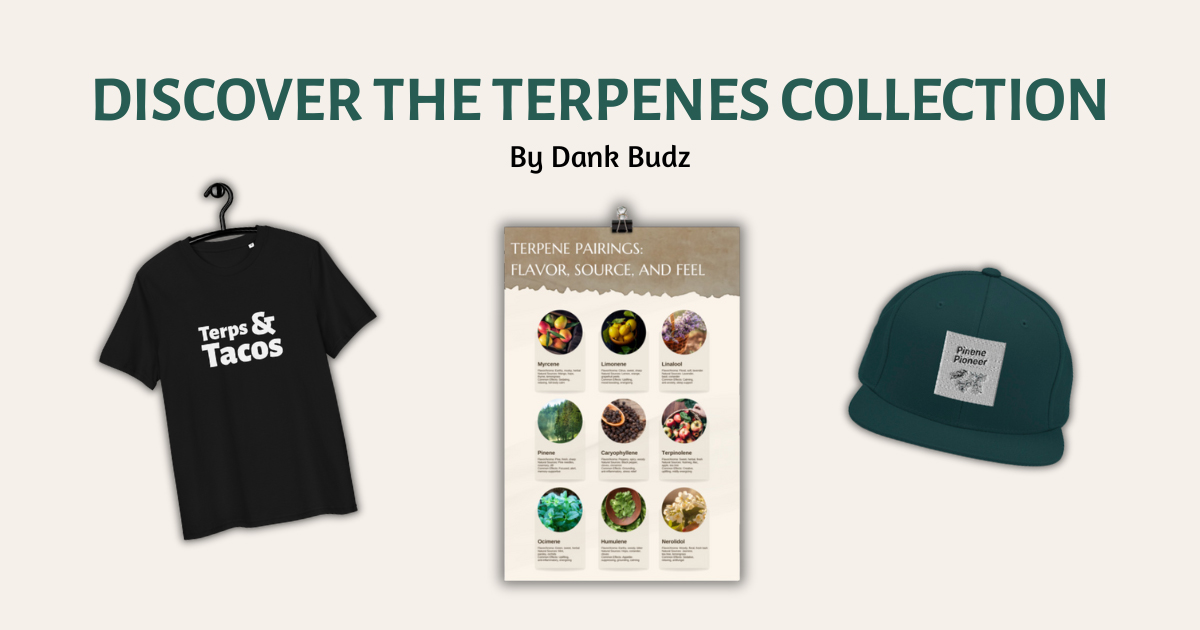
A unique lineup of hats, shirts, and posters inspired by the aromatic world of terpenes. Show off your passion for botanicals with stylish designs that celebrate the essence of nature.